OAP Core Clinical Autism Services– Richmond Hill
School-Age Development (Ages 6–12)
Supporting Regulation, Social Skills, and Growing Independence
During the school-age years, children continue developing important skills related to emotional regulation, communication, friendships, and academic independence. As classroom expectations increase and social environments become more complex, many children benefit from structured support to help them navigate these changes with confidence.
About the School-Age Development
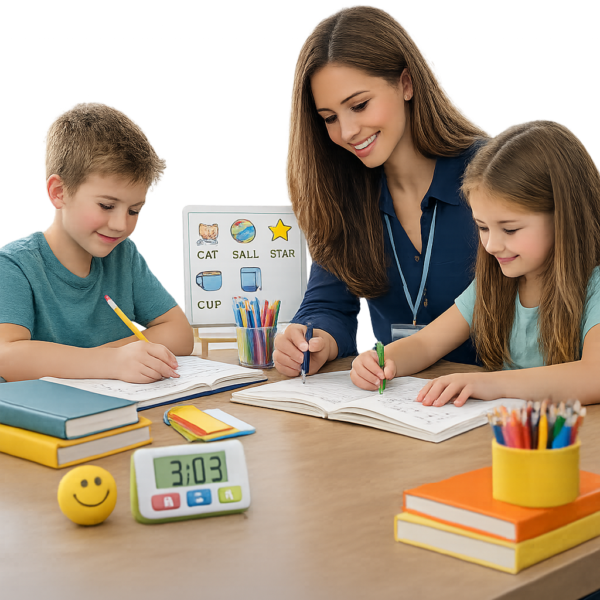
During the school-age years, children continue developing important skills related to emotional regulation, communication, friendships, and academic independence. As classroom expectations increase and social environments become more complex, many children benefit from structured support to help them navigate these changes with confidence. At Adora Bright, our school-age services combine clinical therapy support with structured developmental programs that allow children to practise real-world skills in engaging and supportive environments.
Adora Bright is a registered Ontario Autism Program (OAP) approved service provider, meaning eligible families may be able to access funding to support services including ABA therapy, speech-language therapy, occupational therapy, and skill-building programs. Our approach focuses on helping children build the tools they need to succeed at school, at home, and within their communities
Multidisciplinary Therapy Support
School-age development at Adora Bright is supported through coordinated clinical services that address communication, emotional regulation, learning, and independence. As an OAP approved service provider, families may use Ontario Autism Program funding toward eligible services provided by our clinical team. Our multidisciplinary approach ensures that each child receives integrated support across developmental domains.
Core Clinical Services
ABA therapy supports skill development through structured teaching, guided practice, and natural learning opportunities. Programs focus on developing:
- Emotional regulation
- Social interaction and peer engagement
- Independence with routines and tasks
- Executive functioning skills such as planning and organization
ABA services help children build practical strategies that support participation in school and everyday environments.
ABA services at Adora Bright are eligible under the Ontario Autism Program (OAP) when accessed through approved funding plans.
Speech-Language Pathologists support children in developing communication skills necessary for academic success and social relationships. Therapy may focus on:
- Conversation and social communication
- Perspective-taking and problem solving
- Understanding and expressing complex language
- Self-advocacy and requesting support when needed
Strong communication skills allow children to connect with peers, participate in classroom discussions, and express their needs with confidence.
Speech-language therapy services are available through private pay, insurance, and may be supported through OAP funding when applicable.
Occupational Therapists support children in developing the sensory regulation, motor coordination, and independence required for school participation and daily routines.
OT services may focus on:
- Sensory regulation and body awareness
- Social interaction and peer engagement
- Fine motor and writing skills
- Coordination and motor planning
- Independence with classroom and daily routines
Occupational therapy helps children build the functional skills necessary for participation across school and home environments.
OT services may be accessed through private funding, extended health insurance, or Ontario Autism Program funding when applicable.
School-Age Development Programs
Small Group Skill-Building Programs
In addition to individualized therapy services, Adora Bright offers structured developmental programs that allow children to practise social, emotional, and executive functioning skills in small-group environments. These programs provide guided practice, real-world learning opportunities, and peer interaction while maintaining supportive group sizes. Programs typically operate in small groups of 3–4 children to ensure individualized attention and meaningful participation.
This program helps children develop practical tools to understand and manage their emotions.
Through structured activities and guided practice, children learn strategies for calming their bodies, handling frustration, and navigating challenging situations.
Focus areas include:
- Emotional awareness and coping strategies
- Frustration tolerance and flexible thinking
- Calming strategies and self-regulation
- Problem-solving during difficult moments
The Social Skills Groups help children develop the communication and interaction skills needed to build and maintain friendships.
Children participate in structured group activities that support:
- Conversation and turn-taking
- Perspective-taking and understanding others
- Navigating social situations
- Building confidence during peer interactions
This program supports children in developing the organization and planning skills needed for academic independence.
Children learn practical strategies for:
- Organizing materials and assignments
- Starting and completing tasks independently
- Managing time and planning homework routines
- Building study habits that support learning success
Movement-based outdoor activities provide opportunities for children to build confidence, teamwork, and regulation through active play.
Activities may include:
- Obstacle courses and cooperative games
- Group challenges that promote teamwork
- Outdoor problem-solving activities
- Movement-based regulation strategies
Outdoor environments allow children to practise flexibility, persistence, and collaboration in engaging and motivating ways.
Creative movement and music activities help children develop communication, coordination, and emotional expression through rhythm and play.
Sessions may include:
- Rhythm and music-based interaction
- Movement activities that support coordination
- Creative expression through music and play
- Group participation and cooperative engagement
These activities support communication, regulation, and social participation through creative and engaging experiences.
Common Development Goals
School-age programs often focus on helping children build the skills needed to navigate school, friendships, and everyday challenges.
Children may work on goals such as:
- Emotional regulation and coping strategies
- Flexible thinking and frustration tolerance
- Social interaction and friendship building
- Executive functioning skills such as planning and organization
- Sensory regulation and classroom readiness
- Communication for self-advocacy (requesting help, asking for breaks, expressing needs)
These skills help children become confident learners, communicators, and participants in their daily environments.
Signs Your Child May Benefit From School Age Support
Families may consider additional support if their child:
- Struggles with emotional regulation or managing frustration
- Has difficulty making or maintaining friendships
- Finds it challenging to start or complete homework independently
- Has difficulty organizing school materials or following multi-step tasks
- Struggles with group participation or classroom routines
- Benefits from support with communication or self-advocacy
- Has difficulty managing transitions or unexpected changes
Structured programs provide children with guided practice, supportive environments, and practical strategies that help build confidence and independence.
Book a School-Age Intake
Children interested in school-age services can begin with an intake consultation to determine the most appropriate therapy services and developmental programs based on their needs.
As an Ontario Autism Program (OAP) approved service provider, Adora Bright supports families in navigating service options and accessing eligible funding where applicable.
Our team will help determine the most appropriate combination of therapy services and developmental programs to support your child’s growth.
Why Choose Us?

11+ Years of Clinical Excellence

OAP-Approved Service Provider
